
Why Runbooks Are Critical for Grid Operations
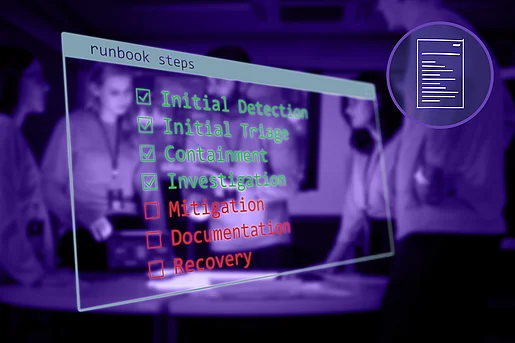
When events occur within specialized protocols like IEC 61850 (MMS, GOOSE), or IEC 60870-5-104, delays in interpretation increase the risk to system stability. Runbooks reduce uncertainty by providing operators with predefined investigation paths and decision points.
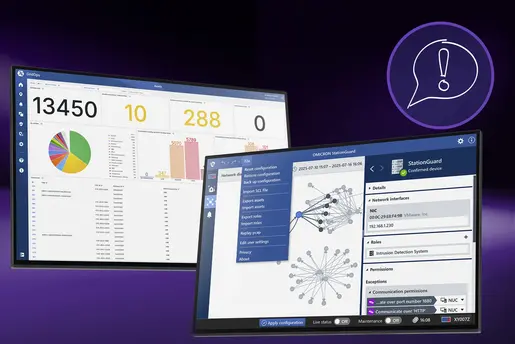
An intrusion detection system (IDS) that is purpose-built for power system protocols, provides the technical foundation for these runbooks by offering deep protocol awareness and event interpretation. By providing the "why" behind an alert, these tools allow operators to distinguish between malicious activity and functional misconfigurations that occur during maintenance or upgrades.
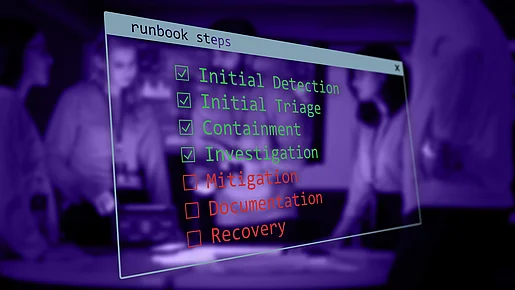
Structured runbooks enable faster, more consistent incident response by combining event intelligence with standardized investigation and response procedures.
What the StationGuard Sensor Help Already Provides
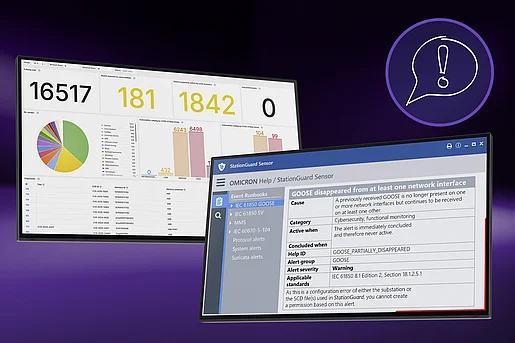
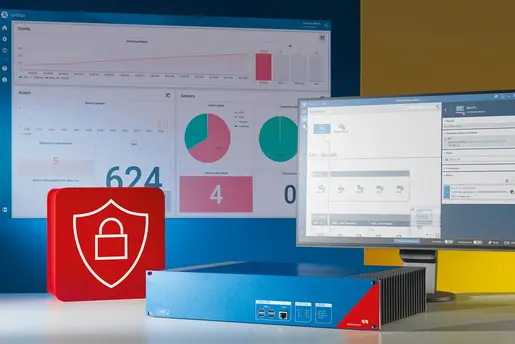
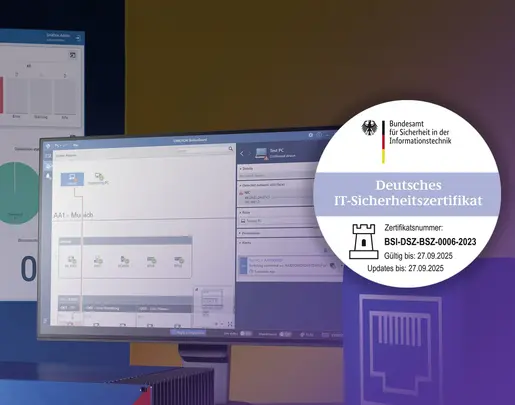
For utilities that are using the StationGuard Sensor, the technical groundwork for incident response is already embedded in the system’s Help documentation. Every alarm type is documented there with its cause, its severity levels, the applicable standards, and a set of recommended steps. These steps follow the same investigation pattern in every case: Identify the source device, verify whether the action was authorized, then act accordingly. And they cover the events operators actually see in the field, such as:
- Validating communication integrity across IEC 61850 and IEC 60870-104 networks.
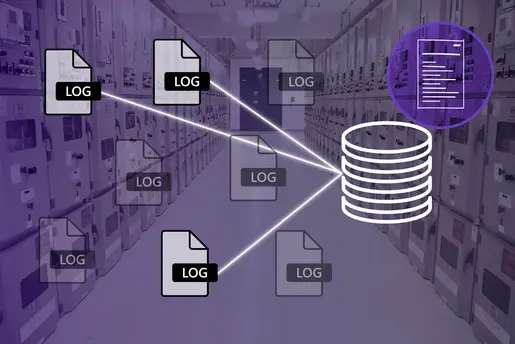
- Analyzing packet captures (PCAPs) to identify the root cause of an alert. The sensor records the network traffic around every event automatically, so the matching capture can be downloaded directly from the alarm details.
- Monitoring network health indicators, including retransmissions and device availability.
- Distinguishing between functional errors, configuration inconsistencies, and suspicious behavior. Every alarm carries a category (Cybersecurity, Functional Monitoring or Internal) that tells the operator which team needs to look at it.
Because these steps are written per alarm type and per severity, they can be lifted out of the Help and reused as the technical core of an organization’s own incident response plans.
Where OMICRON’s Consulting Services Add Value
While technical tools, such as the StationGuard Sensor, provide the data, effective response requires aligning these insights with a utility’s unique topology and regulatory requirements, such as NIS2 and its national transpositions. It is exactly here where specialized consulting adds value by transforming raw technical data into structured, site-specific procedures.
Strategic consulting helps organizations by:
- Mapping technical alerts to asset criticality and specific maintenance windows.
- Integrating OT alerts into existing IT workflows, such as SIEM and ticketing systems.
- Defining escalation paths that respect the operational constraints of a substation environment.
- Documenting compensating controls when ideal security standards cannot be met due to safety or latency concerns.
From Detection to Strategic Response
Developing high-quality operational runbooks is no longer a "start-from-scratch" endeavor. By combining the technical depth of the StationGuard Sensor with targeted risk assessments and consulting, utilities can build a documented, repeatable and auditable response capability. This integrated approach ensures that when a crisis occurs, the response is consistent, documented, and aligned with the overarching goal of maintaining grid resilience.
Contact Us!
We’re looking forward to helping you.
- Have a question?
- Need more information?
- Would you like to request a demo?
Resources